Thinking about a home at The Ritz-Carlton Residences in Paradise Valley near Scottsdale? Luxury living here feels seamless, yet the ownership details can be complex. You want clarity on what you own, which services are included, how HOA dues work, and what to expect with financing and rentals. This guide breaks it all down so you can move forward with confidence. Let’s dive in.
What you actually own
Whole ownership, not timeshare
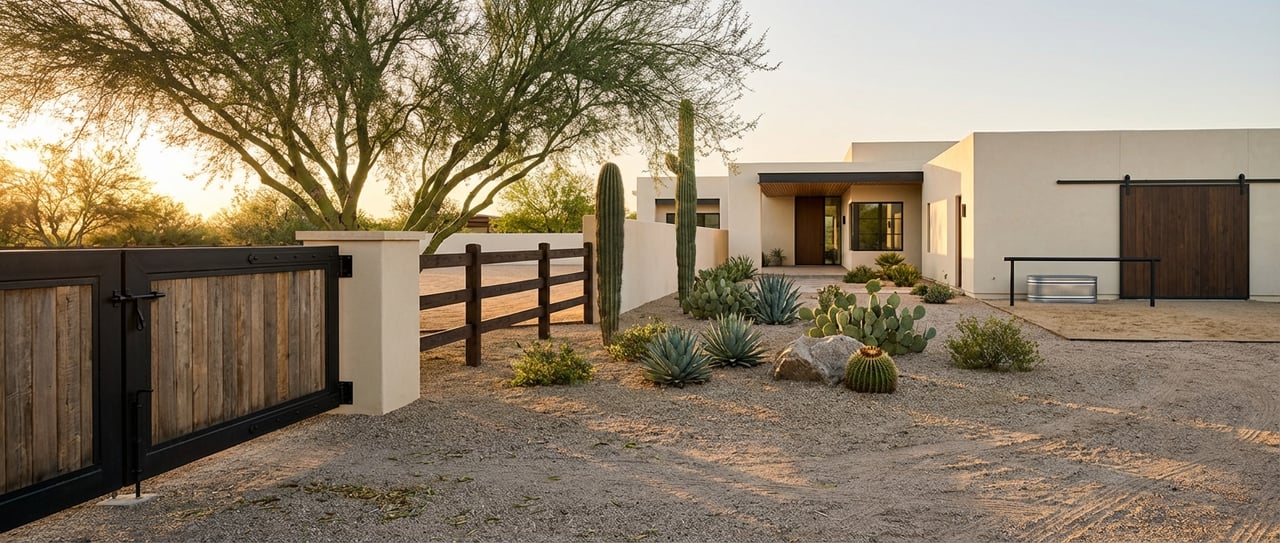
You purchase a deeded residence in one of two forms: Villa condominiums or single-family Estate Homes within The Palmeraie. The Villas are marketed as whole-ownership residences adjacent to the hotel, and the Estate Homes sit within a gated enclave. The development uses The Ritz-Carlton brand under a license; the developer’s site explains the licensing relationship and notes the residences are not owned or sold by the hotel company. Always rely on the developer’s Arizona Disclosure Report and recorded documents for the definitive terms.
Part of The Palmeraie master plan
The community sits within a larger master-planned environment. Expect a multi-tier structure with a master association and a sub-association for your building or estate parcel. Confirm your exact association names, boundaries, and maintenance responsibilities in the Disclosure Report and CC&Rs so you know how governance and services are handled.
Services, amenities, and daily experience
Concierge and in-residence services
The residences are pitched as a resort-within-a-resort experience. According to the developer’s owner privileges, you can access concierge help, housekeeping, in-residence cleaning, engineering support, and personal services like grocery shopping or chef services. Many of these are a la carte. Ask which services are included in HOA dues versus billed per use, and request a current price list.
Access to hotel amenities
Marketing materials note that owners have access and priority for hotel amenities such as the spa, pools, fitness, and dining, plus an owners-only clubhouse and pool for Villa owners. Clarify what requires reservations, which facilities carry owner fees, and any guest-charge policies. Review the HOA rules and Disclosure Report to understand access rights, potential limitations, and what is open now versus planned.
HOA structure, dues, and insurance
Multi-tier HOAs and typical inclusions
Your monthly assessments will likely include exterior maintenance, grounds, common-area insurance, roof reserves, gate or guard services, and utilities like water and trash. In hotel-adjacent projects, some master-planned costs may be part of your assessments. Services tied to the hotel or personal-use amenities are often billed separately through an owner services ledger rather than included by default. Ask for a current operating budget and a line-item breakdown.
What dues look like in practice
Public listings for Villa condos show dues often in the mid-thousands per month, with Estate Home totals commonly higher. Actual figures vary by unit type, square footage, and association budget year. Request the latest budgets, reserve study, and any notices of special assessments before you finalize numbers in a purchase plan.
Insurance you will need
The association carries a master policy for common areas. As a Villa owner, you will almost always carry an HO-6 policy for interior improvements, personal property, liability, and loss-assessment coverage. The right coverage depends on whether the master policy is bare-walls, single-entity, or all-in. Review the master policy with your insurance broker and tailor your HO-6 accordingly.
Financing and lender review
Jumbo loans are common
Price points for Villas and especially Estate Homes often exceed conforming loan limits in Maricopa County. Review the current conforming loan limits to understand when jumbo or portfolio financing applies. Jumbo loans typically require stronger reserves and higher down payments, so engage your lender early if you plan to finance.
Condo “warrantability” matters
Fannie Mae and Freddie Mac require a project-level review for condominium eligibility. Projects with hotel-like or transient features can face tighter scrutiny. Lenders evaluate owner-occupancy, single-entity ownership concentration, commercial exposure, litigation, reserves, delinquency rates, construction status, and insurance coverage. Ask your lender to run the condo project review up front and confirm whether they will treat the Villas as warrantable or non-warrantable, and what that means for rates, terms, and timing.
Leasing and owner use
HOA controls rentals
Leasing rules live in the CC&Rs and Rules and Regulations. Many associations set minimum lease terms, rental caps, tenant approval procedures, or explicit short-term rental bans. These policies influence both financing and resale, so read them closely before you plan any rental strategy.
Do not assume a rental program
Some branded residences offer optional rental management, but the developer’s public materials here highlight owner services rather than a mandatory rental pool. If rental income is part of your plan, request any rental-management agreements, revenue splits, owner-use rules, and tax reporting details. Confirm how the HOA’s rental policies align with any rental program you are considering.
Market positioning and resale
Brand premium, with execution caveats
Global research on branded residences finds that high-quality branded projects often command price premiums and enjoy faster absorption relative to comparable unbranded product. That premium depends on several factors, including brand continuity, delivery of promised amenities, developer reputation, and HOA strength. Local reporting has also noted a dispute between the project’s developer and a lender that paused portions of hotel construction, which can impact timing, operations, and perceived value. Verify current construction status, brand and management agreements, and any development milestones that affect access and services.
What to verify before you write an offer
Use this buyer-focused checklist to move from interest to informed action:
- Get the Arizona Disclosure Report and full CC&Rs. Read sections on services, use restrictions, and leasing rules. Confirm any owner-use waiting periods and amenity opening timelines.
- Request association budgets, the most recent reserve study, insurance certificates, and 12 months of meeting minutes. Learn what dues include, what is billed a la carte, reserve strength, and whether special assessments are discussed.
- Ask for clarity on services. Request a current owner services menu or sample invoices for housekeeping, engineering, and concierge coordination.
- Confirm construction and occupancy status. If you are buying a Villa, verify whether the building has its Certificate of Occupancy and which amenities are currently operational.
- Engage a lender early. Have your lender run the condo project review and confirm warrantability, documentation needs, and how they will underwrite the project. Get written guidance.
- If you plan to rent, request any rental-management agreements and sample financials. Align those with the HOA’s rental rules and your tax advisor’s guidance.
- Order a title report and ask about any recorded notices tied to the master development. Clarify lien releases, brand or management agreements that run with the property, and any obligations that could pass to owners.
- Align insurance. Share the association’s master policy with your insurance broker and set your HO-6 or homeowners coverage to match your intended use and deductible exposure.
How ownership fits your lifestyle
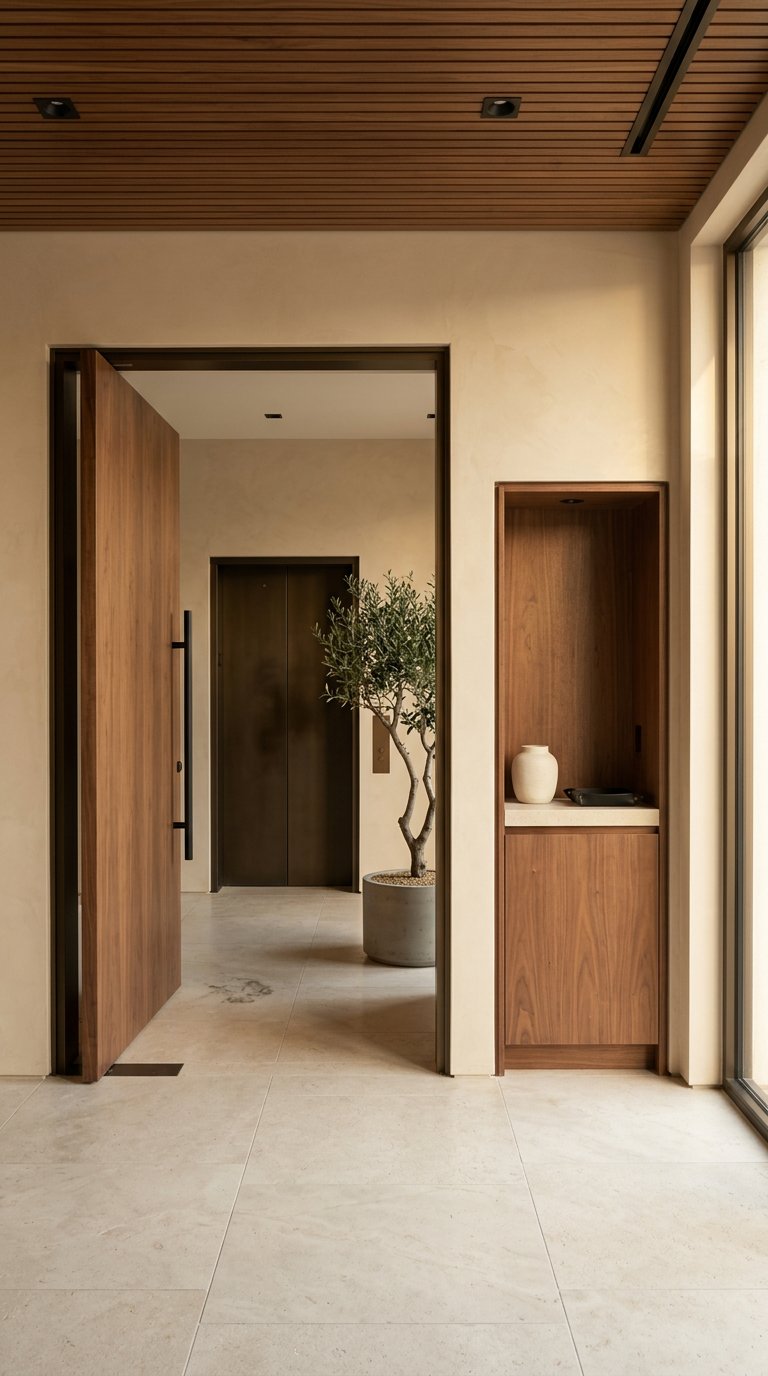
Living at The Ritz-Carlton Residences is designed to feel turnkey, with hotel-style convenience and a private residential setting. If you value service, privacy, and proximity to Scottsdale’s dining, golf, and arts, this address aligns well. The key is understanding how the brand relationship works, which amenities are guaranteed, and how the HOA’s structure and finances support your daily life. With the right due diligence, you can buy with clarity and enjoy the experience to the fullest.
Ready to explore Villas and Estate Homes with a clear plan? Reach out to the Kelli Grant Group for a private consult. We will map your ownership goals to the right residence, coordinate due diligence, and help you secure the best terms for a confident move.
FAQs
What does “whole ownership” mean at The Ritz-Carlton Residences, Paradise Valley?
- You receive a deed to a specific Villa condo or Estate Home, with full ownership rights subject to the community’s CC&Rs and association rules.
Are hotel amenities included in my HOA dues at The Palmeraie?
- Owners have access and priority, but usage and fees vary; confirm in the Disclosure Report and HOA rules which amenities are complimentary versus billed per use.
How much are monthly HOA dues for Villas and Estate Homes?
- Figures vary by plan and association budget, with Villas often in the mid-thousands per month and Estates higher; request current budgets and reserve studies.
Will I need an HO-6 policy if I buy a Villa condo?
- Yes, most condo owners need an HO-6 for interiors, personal property, liability, and loss assessment; match coverage to the master policy type and deductibles.
Can I do short-term rentals at The Ritz-Carlton Residences?
- Leasing is controlled by the CC&Rs and Rules; many luxury HOAs restrict short-term rentals, so verify minimum lease terms and approval procedures in writing.
How do lenders evaluate the Villas for financing?
- Lenders review condo project eligibility, including owner-occupancy, reserves, insurance, litigation, and commercial exposure; non-warrantable findings often require portfolio or jumbo loans.